The Pre-Event Content Playbook: How to Win an iGaming Show Before It Opens
Every year, the same scene plays out at ICE, SiGMA, SBC and iGB L!VE. Hundreds of booths. Thousands of LED screens. Every stand shouting the same words: innovative, next-gen, player-first. And every year, the brands that walk away with a full pipeline are not always the ones with the biggest stand. They’re the ones that started the conversation weeks before anyone set foot on the show floor.
At an iGaming event, attention is the real currency. Buyers, operators and affiliates arrive with packed agendas. If your brand isn’t already on their radar, your booth is just one more screen they walk past on the way to a meeting they booked a month ago.
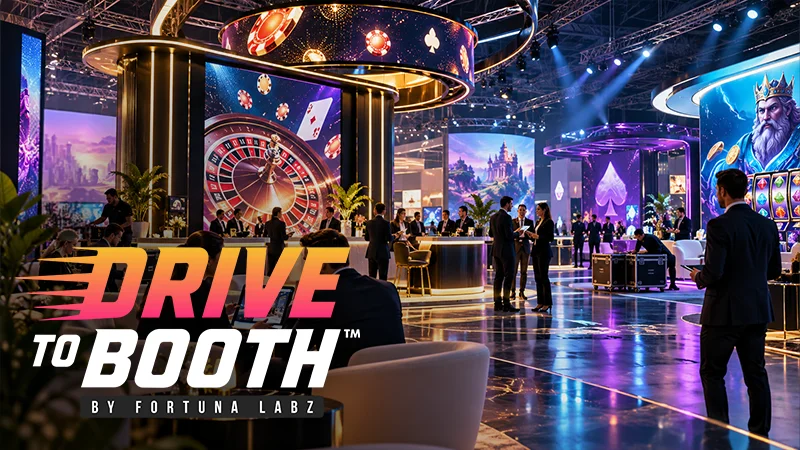
That’s why we built our event method, Drive To Booth™, around a simple idea: the show starts long before the show. Here’s how to plan the first phase, the Pre-Event Attack.
Week -6: Define the one idea people will remember
Before any video, post or banner, decide what you want visitors to say about you on the flight home. One sentence. Not your product list. A story.
Ask three questions:
- What is new this year that nobody else can claim?
- What visual world can carry that message (a character, a universe, a stunt)?
- What will people physically do or see at the booth that connects to it?
This idea becomes the creative thread for everything that follows: teasers, booth screens, giveaways, follow-up emails.
Week -5: Build your hero asset
Your hero asset is the piece of content everything else is cut from. Usually it’s a 30 to 60 second cinematic video: a 3D trailer for a new slot, a CGI universe for your brand, or an AI-powered short film. From one strong hero asset, you can cut a dozen teasers, loops and stills.
Producing it early matters. It gives you time to adapt formats (16:9 for the booth wall, 9:16 for LinkedIn and Instagram, 1:1 for email headers) without rushing.
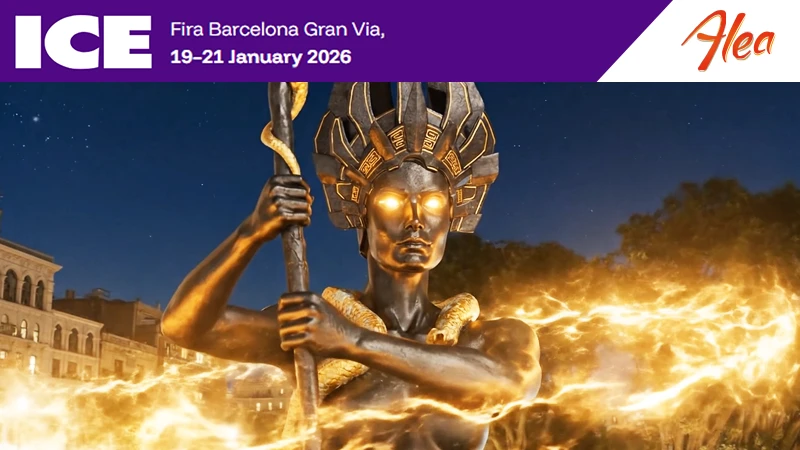
Example with the Jelly Express slot machine for ICE 2026
Week -4: Start the tease
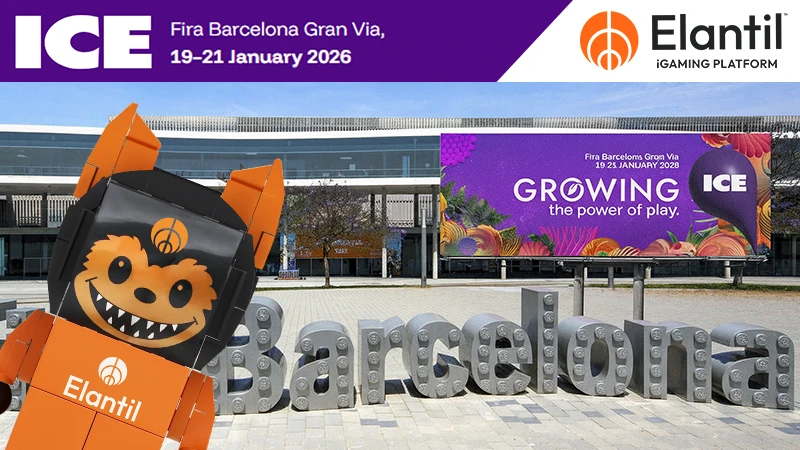
Reveal fragments, never the full story. A silhouette. A countdown. A 6-second glimpse of your new game world. A Fake Out of Home clip of your mascot climbing a building in the host city.
The goal is curiosity, not information. People should want to see the rest, and the rest is only at your booth.
Week -3: Turn attention into meetings
Now connect the hype to your sales team. Every teaser should carry a clear action: book a meeting, claim a booth slot, register for a demo. Add your booth number to every visual. Give sales reps short vertical clips to share in their own LinkedIn posts and DMs, where they will perform better than brand posts.
Week -2: Seed the community
Involve partners, affiliates and media. Send them your assets early, with ready-to-post captions. Announce a booth moment: a live reveal, a hologram appearance, a contest. Give people a reason to plan a visit at a specific time.
Week -1: The countdown
This is when the industry is most active on social. Post daily. Show behind-the-scenes of the stand build. Release the final teaser with a strong line: “See the full story at booth X.”
The mistakes we see every season
- Starting too late. A week of posting can’t compete with brands that have been building anticipation for a month.
- One format for everything. A horizontal booth video cropped to vertical looks like an afterthought.
- No link to sales. Beautiful content with no meeting call-to-action is just decoration.
- Revealing everything upfront. If they’ve seen it all online, why visit?
Next step
Pre-event content is phase one. Phase two is what happens when visitors actually reach your stand, and that starts with the screen. Read next: The 7-Second Rule: How to Build a Booth Video That Stops the Aisle.
Planning your next show?