Your Concept Deserves an Exceptional Teaser: Selling a Game Before It Exists
Every great game starts as an idea that’s hard to explain. You can see it clearly: the world, the hero, the feeling of the bonus round. But when you pitch it to an operator, an investor or your own leadership, all you have is a slide deck and a few sketches.
That’s where most ideas lose their power. And that’s exactly where a concept teaser changes everything.
What a concept teaser is
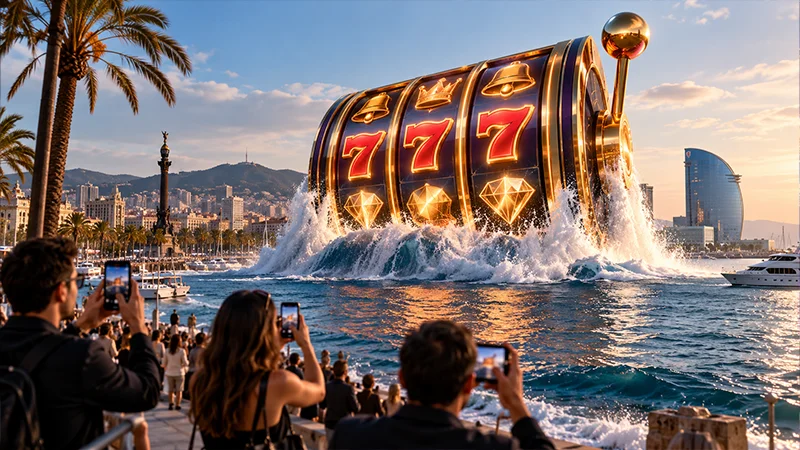
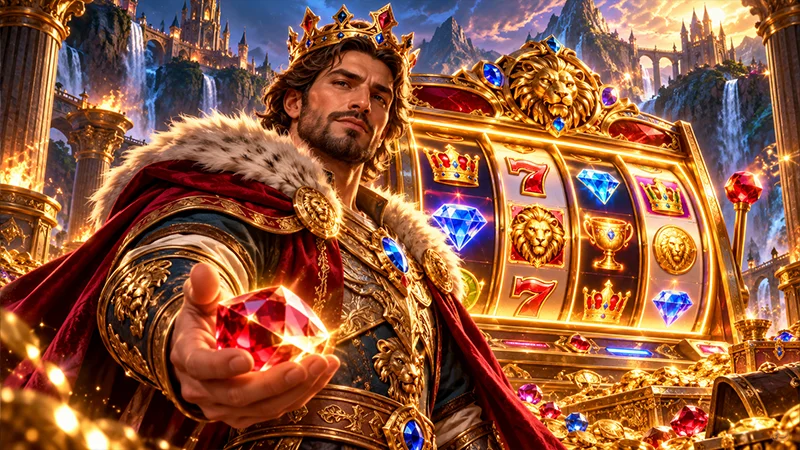
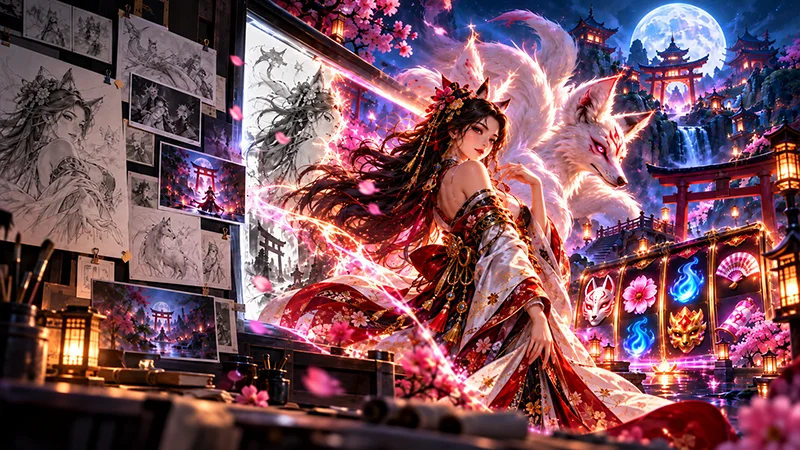
A concept teaser is a short cinematic video (15 to 45 seconds) that shows the world and the promise of a game before the game exists. It’s not gameplay. It’s the vision, made real enough that people can feel it.
Think of it as the film poster before the film: it sets expectations, creates desire and makes everyone around the table see the same thing.
When a teaser makes the difference
- Pitching to operators. Secure interest, exclusives or a launch slot before final development.
- Internal green light. Convince leadership or investors to fund the project.
- Trade show pre-reveal. Show “coming soon” titles on your booth and collect interest from buyers months ahead.
- Building a franchise. Introduce a new character or universe that will carry a series of games.
- Testing ideas. Compare reactions to two directions before committing development resources.
What makes a teaser exceptional
Mystery over explanation. A teaser shows just enough. A glimpse of the hero, a hint of the world, a single striking image. The less you explain, the more people want to know.
One unforgettable shot. Great teasers are remembered for one image: the door that opens onto a golden city, the eye that opens in the dark. Build the teaser around that moment.
A world that feels finished. Even if the game is still on paper, the teaser must look premium. That’s what gives your concept credibility.
A clear promise at the end. The game name, a release window, a “coming soon”. Leave people with something to wait for.
Why AI changes the game for concept teasers
Until recently, a cinematic teaser for a game that might not get made was a hard investment to justify. AI-driven production, combined with 3D and art direction, has changed that equation. We can explore visual directions quickly, build characters and environments in days, and deliver a cinematic teaser on timelines that fit a pitch calendar.
The result: you can present a concept with the impact of a finished product.
From teaser to full launch
A good concept teaser is not thrown away. The characters, world and mood become the foundation of the game’s final trailer, key art and launch campaign. You build the universe once and use it all the way to release.
Next step
Once the game is ready, the trailer is only the beginning. Read next: One Trailer, Twenty Assets: The Slot Launch Content Kit.
Launching a new game?
Tell us about it. We’ll show you what its trailer could look like.